Shoulder
Anatomy
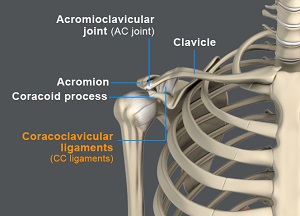
What is the Anatomy of the Shoulder?
The shoulder is the most flexible joint in the body that enables a wide range of movements including forward flexion, abduction, adduction, external rotation, internal rotation, and 360-degree circumduction. Thus, the shoulder joint is considered the most insecure joint of the body, but the support of ligaments, muscles, and tendons function to provide the required stability.
Bones of the Shoulder
The shoulder joint is a ball and socket joint made up of three bones, namely the humerus, scapula, and clavicle.
Humerus
The end of the humerus or upper arm bone forms the ball of the shoulder joint. An irregular shallow cavity in the scapula called the glenoid cavity forms the socket for the head of the humerus to fit in. The two bones together form the glenohumeral joint, which is the main joint of the shoulder.
Scapula and Clavicle
The scapula is a flat triangular-shaped bone that forms the shoulder blade. It serves as the site of attachment for most of the muscles that provide movement and stability to the joint. The scapula has four bony processes - acromion, spine, coracoid process, and glenoid cavity. The acromion and coracoid process serve as places for attachment of the ligaments and tendons.
The clavicle bone or collarbone is an S-shaped bone that connects the scapula to the sternum or breastbone. It forms two joints: the acromioclavicular joint, where it articulates with the acromion process of the scapula and the sternoclavicular joint where it articulates with the sternum (breast bone). The clavicle also forms a protective covering for important nerves and blood vessels that pass under it from the spine to the arms.
Soft Tissues of the Shoulder
The ends of all articulating bones are covered by smooth tissue called articular cartilage, which allows the bones to slide over each other without friction, enabling smooth movement. Articular cartilage reduces pressure and acts as a shock absorber during movement of the shoulder bones. Extra stability to the glenohumeral joint is provided by the glenoid labrum, a ring of fibrous cartilage that surrounds the glenoid cavity. The glenoid labrum increases the depth and surface area of the glenoid cavity to provide a more secure fit for the half-spherical head of the humerus.
Ligaments of the Shoulder
Ligaments are thick strands of fibers that connect one bone to another. The ligaments of the shoulder joint include:
Coracoclavicular ligaments: These ligaments connect the collarbone to the shoulder blade at the coracoid process.
Acromioclavicular ligament: This connects the collarbone to the shoulder blade at the acromion process.
Coracoacromial ligament: It connects the acromion process to the coracoid process.
Glenohumeral ligaments: A group of 3 ligaments that form a capsule around the shoulder joint and connect the head of the arm bone to the glenoid cavity of the shoulder blade. The capsule forms a watertight sac around the joint. Glenohumeral ligaments play a very important role in providing stability to the otherwise unstable shoulder joint by preventing dislocation.
Muscles of the Shoulder
The rotator cuff is the main group of muscles in the shoulder joint and is comprised of 4 muscles. The rotator cuff forms a sleeve around the humeral head and glenoid cavity, providing additional stability to the shoulder joint while enabling a wide range of mobility. The deltoid muscle forms the outer layer of the rotator cuff and is the largest and strongest muscle of the shoulder joint.
Tendons of the Shoulder
Tendons are strong tissues that join muscle to bone allowing the muscle to control the movement of the bone or joint. Two important groups of tendons in the shoulder joint are the biceps tendons and rotator cuff tendons.
Bicep tendons are the two tendons that join the bicep muscle of the upper arm to the shoulder. They are referred to as the long head and short head of the bicep.
Rotator cuff tendons are a group of four tendons that join the head of the humerus to the deeper muscles of the rotator cuff. These tendons provide more stability and mobility to the shoulder joint.
Nerves of the Shoulder
Nerves carry messages from the brain to muscles to direct movement (motor nerves) and send information about different sensations such as touch, temperature, and pain from the muscles back to the brain (sensory nerves). The nerves of the arm pass through the shoulder joint from the neck. These nerves form a bundle at the region of the shoulder called the brachial plexus. The main nerves of the brachial plexus are the musculocutaneous, axillary, radial, ulnar and median nerves.
Blood Vessels of the Shoulder
Blood vessels travel along with the nerves to supply blood to the arms. Oxygenated blood is supplied to the shoulder region by the subclavian artery that runs below the collarbone. As it enters the region of the armpit, it is called the axillary artery and further down the arm, it is called the brachial artery.
The main veins carrying de-oxygenated blood back to the heart for purification include:
Axillary vein: This vein drains into the subclavian vein.
Cephalic vein: This vein is found in the upper arm and branches at the elbow into the forearm region. It drains into the axillary vein.
Basilic vein: This vein runs opposite the cephalic vein, near the triceps muscle. It drains into the axillary vein.
If you wish to be advised on the most appropriate treatment, please call to schedule an appointment or click to request an appointment online.
Conditions
-
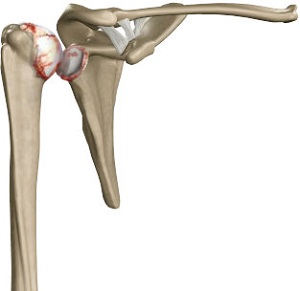
Arthritis of the Shoulder
The term arthritis literally means inflammation of a joint but is generally used to describe any condition in which there...
-
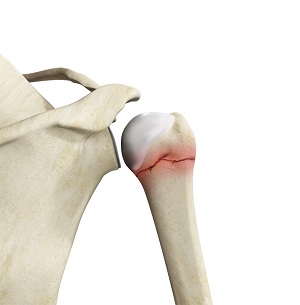
Proximal Humerus Fractures
Fractures of the proximal humerus are common in elderly individuals suffering from osteoporosis. In younger individuals, a severe trauma such as a...
-
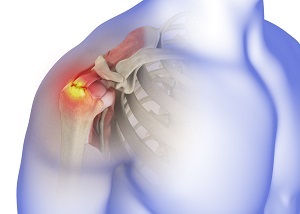
Rotator Cuff Tear
The rotator cuff is a group of tendons in the shoulder joint that provides support and enables a wide range of motion.
-
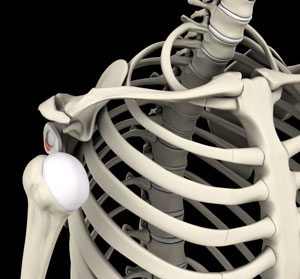
Shoulder Instability
Shoulder instability is a chronic condition that causes frequent dislocation of the shoulder joint.
-
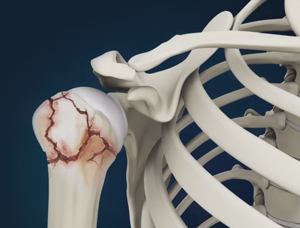
Shoulder Fracture
A break in a bone that makes up the shoulder joint is called a shoulder fracture.
-
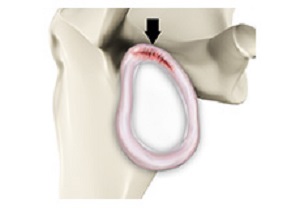
SLAP Tears
The term SLAP (superior –labrum anterior-posterior) lesion or SLAP tear refers to an injury of the superior labrum of the shoulder.
-
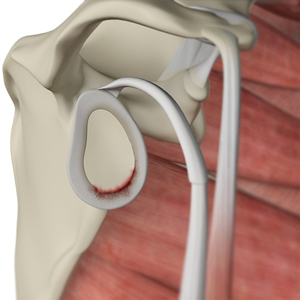
Shoulder Labral Tear
Traumatic injury to the shoulder or overuse of the shoulder (throwing, weightlifting) may cause the labrum to tear.
-
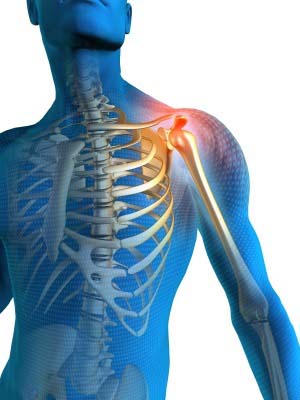
Shoulder Pain
Pain in the shoulder may suggest an injury, which is more common in athletes participating in sports such as swimming...
-
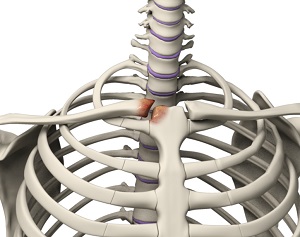
Sternoclavicular Arthritis
The term arthritis means inflammation of a joint and is associated with cartilage damage. Cartilage is a cushioned padding...
-
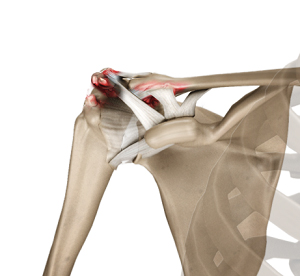
Acromioclavicular (AC) Arthritis
The acromioclavicular joint is part of the shoulder joint. It is formed by the union of the acromion, a bony process...
-
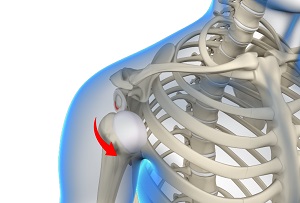
Anterior Shoulder Instability
Anterior shoulder instability, also known as anterior glenohumeral instability, is a condition in which damage to the soft tissues...
-
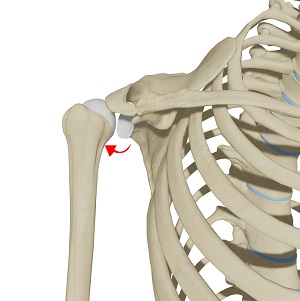
Posterior Shoulder Instability
Posterior shoulder instability, also known as posterior glenohumeral instability, is a condition in which the head...
-
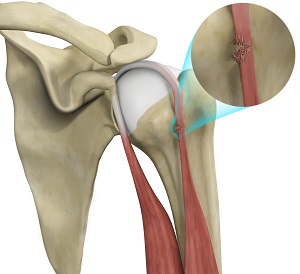
Biceps Tendon Rupture
The biceps muscle is located in the front side of your upper arm and functions to help you bend and rotate your arm.
-
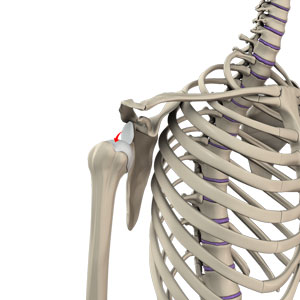
Shoulder Dislocation
Sports that involve overhead movements and repeated use of the shoulder at your workplace may lead to sliding of the upper...
-
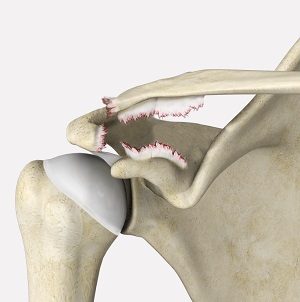
Shoulder Ligament Injuries
Shoulder ligament injuries are injuries to the tough elastic tissues present around the shoulder that connect bones...
-
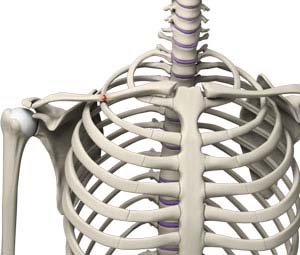
Clavicle Fracture
The break or fracture of the clavicle (collarbone) is a common sports injury associated with contact sports such...
-
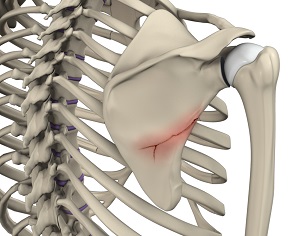
Fracture of the Shoulder Blade (Scapula)
The scapula (shoulder blade) is a flat, triangular bone providing attachment to the muscles of the back, neck, chest, and arm.
-
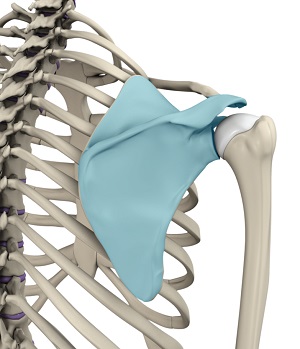
Snapping Scapula
Snapping scapula or snapping scapula syndrome is also known as scapulothoracic syndrome or scapulocostal syndrome.
-
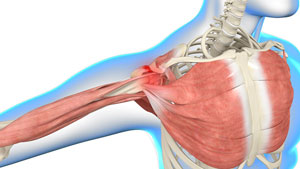
Shoulder Impingement
The shoulder is a ball-and-socket joint. The ball-shaped end of the upper arm bone (humerus) fits neatly into a socket...
-
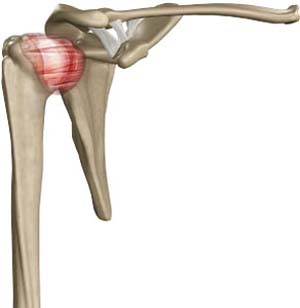
Frozen Shoulder
Frozen shoulder, also called adhesive capsulitis, is a condition in which you experience pain and stiffness in your shoulder.
-
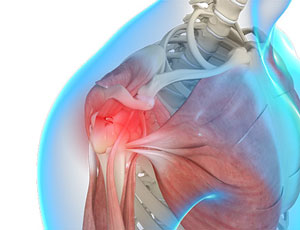
Shoulder Trauma
Shoulder injuries most commonly occur in athletes participating in sports such as swimming, tennis, pitching, and weightlifting.
-
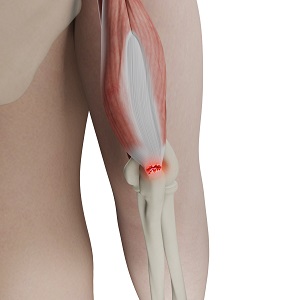
Distal Triceps Tear
A distal triceps tear is a rare condition that occurs when the tendon attaching the triceps muscle in the back of the arm...
-
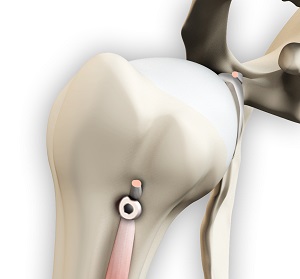
Proximal Biceps Tendonitis
Proximal biceps tendonitis is the irritation and inflammation of the biceps tendon at the shoulder joint.
-
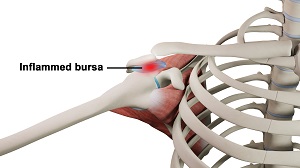
Shoulder Bursitis
Shoulder bursitis, also known as subacromial bursitis, is a condition characterized by pain and inflammation in the bursa...
-
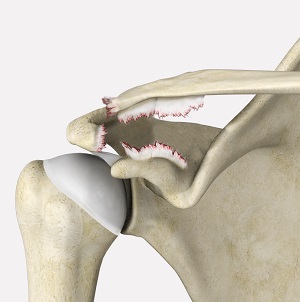
AC Joint Separation
AC joint separation, also known as shoulder separation, is a condition characterized by damage to the ligaments that connect...
-
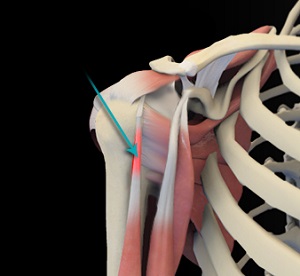
Shoulder Tendonitis
Shoulder tendonitis is a condition characterized by inflammation of the tendons which connect the muscles to the shoulder bones.
-
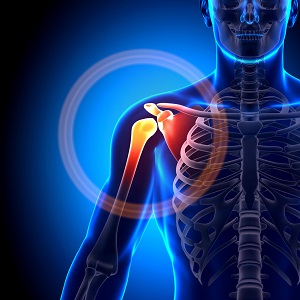
Shoulder Disorders
The shoulder is the most flexible joint in the body that enables a wide range of movements. Aging, trauma or sports activities...
-
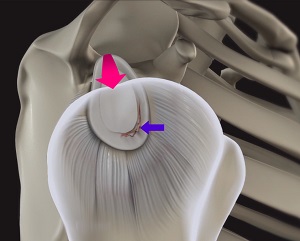
Shoulder Labral Tear with Instability
The shoulder consists of a ball-and-socket joint formed by the upper end of the humerus (upper arm bone) and a cavity...
-
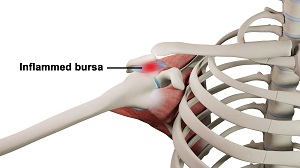
Rotator Cuff Bursitis
The rotator cuff is a set of muscles and tendons which hold the various bones of the shoulder joint together...
-
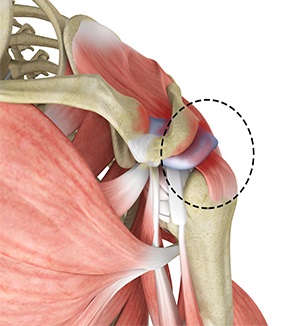
Rotator Cuff Pain
Rotator cuff pain may be caused due to: Age-related wear and tear of the rotator cuff tendons in the shoulder, Repeated overhead arm movements as performed during manual labor...
-
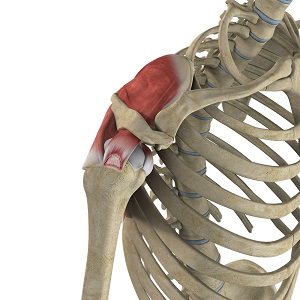
Partial Rotator Cuff Tear
A partial rotator cuff tear is an incomplete tear that involves damage to a part of the tendon.
-
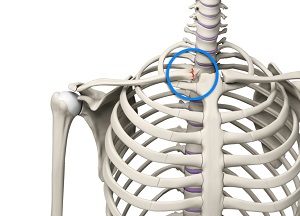
Sternoclavicular Separation
The sternoclavicular joint is a joint at the center of your upper chest, connecting your breastbone and collarbone...
-
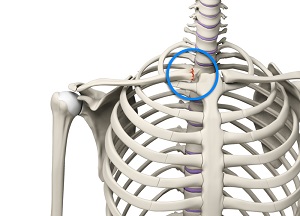
Sternoclavicular Joint Injury
The sternoclavicular joint, commonly called the SC joint, is located between the breastbone (sternum) and the collarbone (clavicle).
-
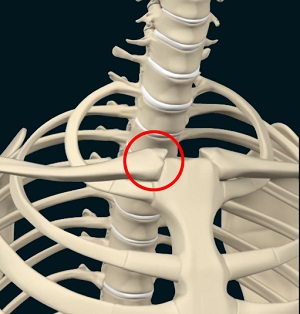
Sternoclavicular(SC) Joint Injuries
The sternoclavicular joint, commonly called the SC joint, is located between the breastbone (sternum) and the collarbone (clavicle).
-
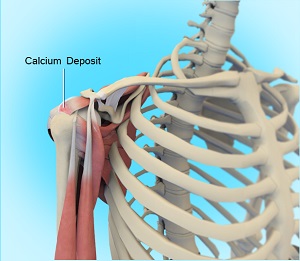
Calcific Tendonitis
Calcific tendonitis is a problem with the shoulder’s tendons and muscles. This condition occurs due to the formation...
-
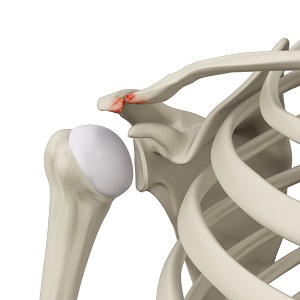
Acromioclavicular (AC) Joint Osteoarthritis
Osteoarthritis also called degenerative joint disease, is the most common form of arthritis.
-

Throwing Injuries of the Shoulder
Throwing injuries of the shoulder are injuries sustained as a result of trauma by athletes during sports activities...
-
Proximal Biceps Tendon Rupture
The biceps muscle is the muscle of the upper arm which is necessary for the movement of the shoulder and elbow.
Procedures
-
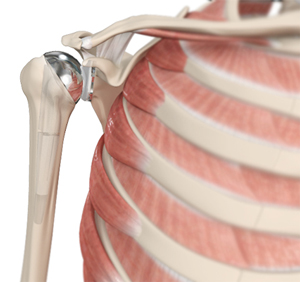
Shoulder Joint Replacement
Total shoulder replacement surgery is performed to relieve symptoms of severe shoulder pain and disability due to arthritis.
-
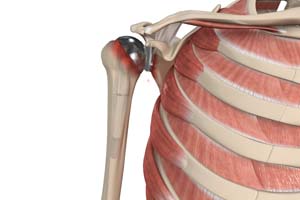
Revision Shoulder Replacement
Total shoulder replacement usually has good results, but a revision surgery may occasionally be necessary due to persistent pain...
-
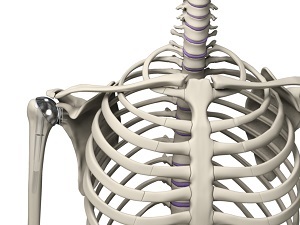
Outpatient Shoulder Replacement
Outpatient shoulder replacement is a surgery that does not require an overnight hospital stay.
-
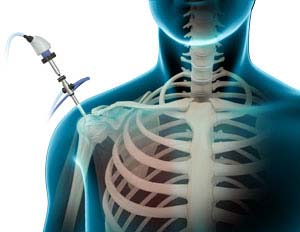
Shoulder Arthroscopy
Arthroscopy is a minimally invasive diagnostic and surgical procedure performed for joint problems.
-
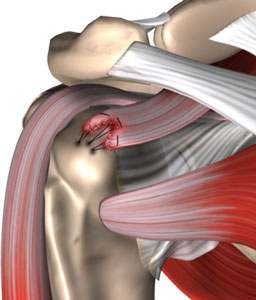
Rotator Cuff Repair
Rotator cuff repair is a surgery to repair an injured or torn rotator cuff. It is usually performed arthroscopically...
-
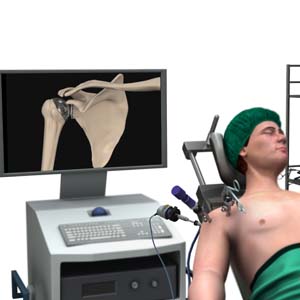
Minimally Invasive Shoulder Joint Replacement
Shoulder joint replacement is a surgical procedure that replaces damaged bone surfaces with artificial...
-
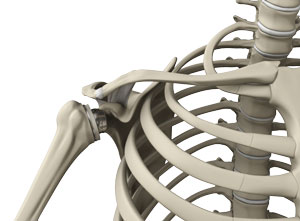
Reverse Shoulder Replacement
Conventional surgical methods such as total shoulder joint replacement are not very effective in the treatment...
-
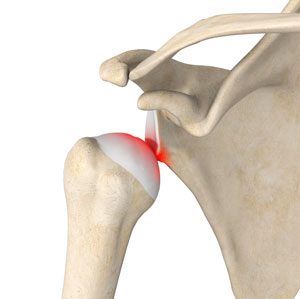
Shoulder Stabilization
Shoulder stabilization surgery is performed to improve stability and function to the shoulder joint and prevent recurrent...
-
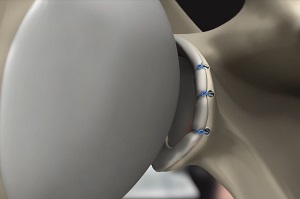
Anterior Shoulder Stabilization
Anterior shoulder stabilization is a surgical procedure performed to treat a condition called anterior shoulder instability.
-
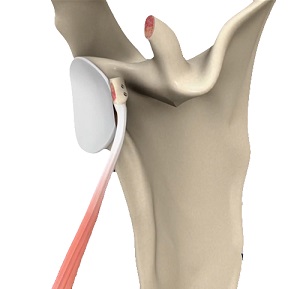
Open Shoulder Stabilization
Open shoulder stabilization is a surgical procedure performed to treat a condition called shoulder instability.
-
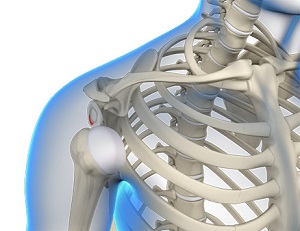
Posterior Shoulder Stabilization
Posterior shoulder stabilization is a surgical procedure performed for the treatment of a condition called...
-
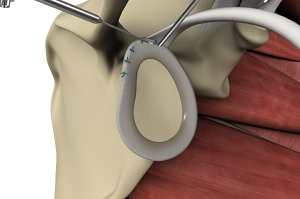
SLAP Repair
A SLAP repair is an arthroscopic shoulder procedure to treat a specific type of injury to the labrum called a SLAP tear.
-
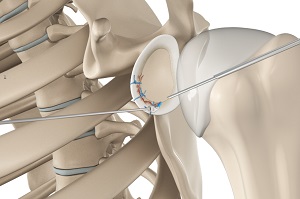
Arthroscopic Bankart Repair
The labrum can sometimes tear during a shoulder injury. A specific type of labral tear that occurs when the shoulder dislocates...
-
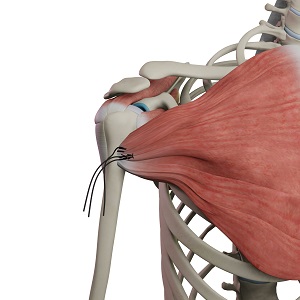
Shoulder Tendon Transfer
A shoulder tendon transfer is a surgical procedure used to restore shoulder function by transferring a tendon from one muscle...
-
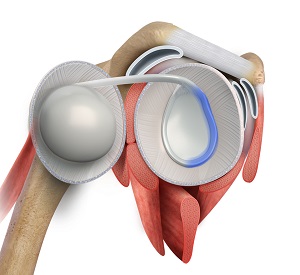
Shoulder Anterior Labral Repair
A shoulder anterior labral repair is a surgical procedure performed to address damage or injury to the anterior...
-
Posterior Shoulder Labral Repair
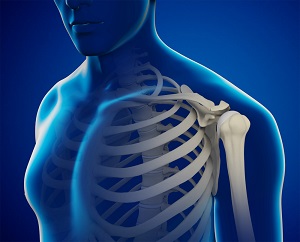
A posterior shoulder labral repair is a surgical procedure performed to address damage or injury to the posterior...
-
Acromioclavicular (AC) Joint Reconstruction
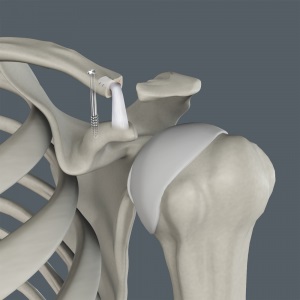
The acromioclavicular (AC) joint is one of the joints present within your shoulder. It is formed between a bony projection...
-
Sternoclavicular Joint Reconstruction
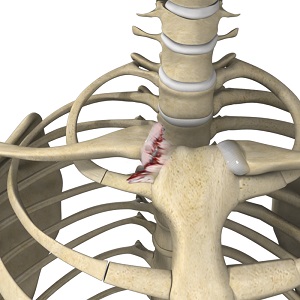
Sternoclavicular joint reconstruction is a surgical procedure employed to repair and restore full function...
-
Latarjet Procedure
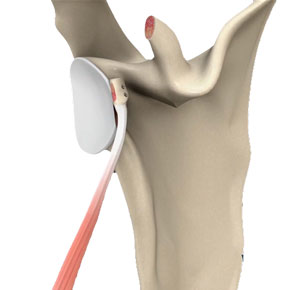
The shoulder joint provides a wide range of movement to the upper extremity, but overuse or trauma can cause instability...
-
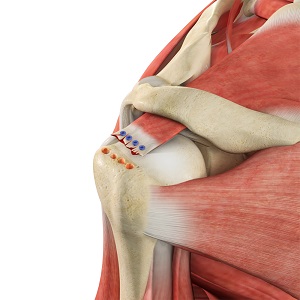
Revision Rotator Cuff Surgery
Revision rotator cuff surgery is a procedure done to repair a re-tear in the rotator cuff after a failed initial...
-
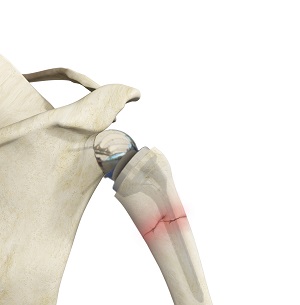
Reverse Total Shoulder Arthroplasty for Fracture
Reverse total shoulder arthroplasty is a type of shoulder replacement surgery in which the normal ball-and-socket...
-
Shoulder Fracture Care
A break in the bone that makes up the shoulder joint is called a shoulder fracture. The clavicle (collarbone)...